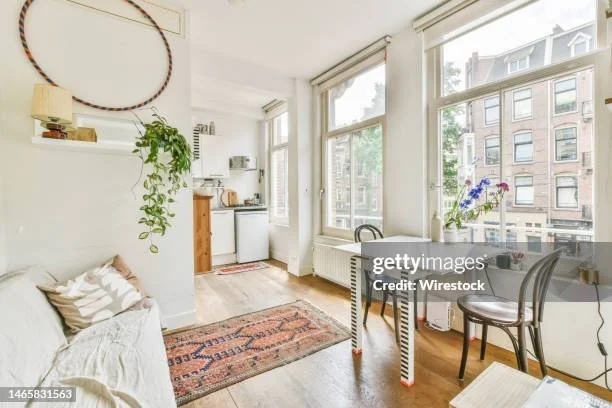
Formkind Spaces designs regulation-centered home environments for neurodiverse families, beginning with your child and your routines.
We look at how each space supports daily life: where the body moves, where the eye lands, what a child repeatedly encounters, and which moments of the day need more clarity, softness, or support.
Through layout, lighting, storage, textures, furniture, and visual cues, we shape homes that feel steadier, more intuitive, and easier to move through.
Regulation-centered design that supports everyday life.
Some see a chair, a basket, or a rug. At Formkind, we see tools for regulation, support, and emotional readiness.
Everyday Spaces, designed for support
This is more than “tools in a basket.” It is the environment those supports live in.
A clear starting point. Fewer competing cues. Predictable places for what matters. Pathways that make movement easier. Sightlines that help children know where to begin, pause, reset, or return.
The goal is not a perfect house. It is a home that works more gently with your child, your family, and the rhythms of real life.
Our Ethos
We see the environment as an active partner in daily life. A room can quietly lower demand or add to it.
Formkind begins by reading the home: the pathways, thresholds, focal points, routines, and in-between moments that shape how a family moves through the day. We begin with what is already working and expand from there.
Design is not only how a room looks. It is how a room supports your families day to day life.
A well-considered home can make supports easier to see, reach, and use. It can create clearer cues, calmer sight lines, more supportive places to settle, and flexible spaces that adapt as a child’s needs shift.
We design homes that feel responsive, lived-in, and able to hold real life, with beauty, clarity, and care.